Lab Lacy-Hulbert

Press Releases

Seattle, WA -

Benaroya Research Institute Receives $9 Million in Funding, With a Focus on Down Syndrome Research

Multi-Million-Dollar Grants to Propel Groundbreaking Studies on Immune Dysregulation and Autoimmunity in People with Down Syndrome

Today, Benaroya Research Institute (BRI) announced eight new awards received in the past two months, totaling over $9 million in funding to go toward their research of the human immune system — the majority of which will support an ongoing and increased focus into the immune systems of individuals with Down syndrome (DS). This meaningful investment in DS research allows BRI to remain at the forefront of discoveries that will improve the lives and health outcomes of people with DS. 

BRI’s focus on DS grows out of the work of Bernard Khor, MD, PhD, whose research assesses the biological roots of immune dysregulation in people with DS. In 2022, Dr. Khor’s group found that the immune systems of people with DS exhibit signs of aging. In fact, their immune systems can appear up to 17 years older than expected from their actual age. Dr. Khor’s recent R01 grant (R01AI166835-01A1), received at the end of 2022, has allowed scientists at BRI to work to better understand what’s driving this immune aging in people with DS. 

“As it turns out, people with DS have a lot of adverse health outcomes that are related to immune dysregulation, including a four-to-six times higher likelihood of developing autoimmunity, a higher risk of infection, and lower response to vaccination,” said Khor. “Our work looks at why that is — both to improve the lives of people with DS and in hopes that the learnings from this work will be translatable to other populations.” 

Now, with the receipt of three additional new awards totaling over $7.5 million—including an Immune Drivers of Autoimmune Disease (IDAD) grant—to continue studying DS, BRI is equipped to become a hub of knowledge about how immune dysregulation in people with DS drives a heightened likelihood for disease. Conversely, the lessons learned from people with DS will direct a better understanding of the mechanisms that drive immune aging and autoimmunity. 

The IDAD grant will power researchers across labs at BRI to assess the genetic, molecular and environmental factors that drive the transition from pre-autoimmunity (before onset of clinical symptoms) to autoimmune disease. The group, led by principal investigators Jane Buckner, MD, and Alice Long, PhD, will compare samples from individuals at risk for type 1 diabetes and those with DS at risk for autoimmune disease. This work will draw from BRI’s robust biorepositories — a library of blood and tissue samples from healthy volunteers and individuals with various immune system diseases.

“Collaboration defines our work ethos at BRI, which stems from our understanding that advances in one disease area will translate across to others,” said Jane Buckner, MD, president of BRI and co-principal investigator on the grant. “To have NIAID fund this comparative research will vastly improve our understanding of the precursors to autoimmune disease.”

This award was partially funded by the National Institute of Health’s INCLUDE (INvestigation of Co-occurring conditions across the Lifespan to Understand Down syndromE) Project, an enormous collective effort to investigate health conditions that affect individuals with DS.

Details of the eight grants awarded to BRI in the past two months include:

T cells promoting transitions toward autoimmunity

Jane Buckner, MD, and Alice Long, PhD
$6,486,351

Sponsor: National Institute of Allergy and Infectious Diseases (U01AI176320)

This research will assess the genetic, molecular and environmental factors that drive the transition from pre-autoimmunity to autoimmune disease, using samples from both individuals at risk for type 1 diabetes and individuals with Down syndrome at risk for developing autoimmune disease.

Anti-tumor and autoimmunity signatures in Down syndrome

Jane Buckner, MD
$648,776

Sponsor: National Cancer Institute and NIH Office of the Director (3R01CA231226-05W1)

This grant will investigate why individuals with Down syndrome are at increased risk for autoimmune disease but are protected from developing solid tumors. 

Investigating monocyte dysfunction in Down syndrome

Jessica Hamerman, PhD
$383,657

Sponsor: National Institute of Arthritis and Musculoskeletal and Skin Diseases and NIH Office of the Director (3R01AR076242-05S1)

This work will seek a deeper understanding of the innate immune alterations seen in Down syndrome.

Mechanisms of IL-2-mediated immune tolerance

Dan Campbell, PhD
$476,575

Sponsor: National Institute of Allergy and Infectious Diseases (R21AI172140)

This research will test a further hypothesis about a previously developed IL-2 mutein, aiming to understand the implications for potential future therapeutic use. 

Identifying autoimmune associated genes in patrolling monocytes that promote lupus nephritis

Jessica Hamerman, PhD, and John Ray, PhD
$476,575

Sponsor: National Institute of Allergy and Infectious Diseases (R21AI178562)

Researchers will identify genes that control monocyte accumulation in the kidneys during lupus nephritis, suggesting potential future therapeutic targets.

Identification of novel targets in a unique subset of Tregs for therapies for colorectal cancer

Kazushige Ninomiya, PhD
$299,850

Sponsor: Andy Hill CARE Fund (FY23-LS-03)

The project will investigate a new treatment for colorectal cancer that may be appropriate for the general population, without requiring invasive surgery. 

Development of treatment for colorectal cancer targeting on TSLPR+ST2+Treg

Kazushige Ninomiya, PhD
$100,000

Sponsor: Washington Research Foundation

Researchers will develop antibodies to target a recently identified, unique subset of regulatory T cells to develop a treatment for colorectal cancer.

LITAF regulation of cell death and inflammatory responses

Adam Lacy-Hulbert, PhD
$299,631

Sponsor: National Institute of Allergy and Infectious Diseases (R56AI168995)

The project will investigate cell mechanisms for detecting cell membrane damage and triggering repair processes. 

For more information on BRI and its research efforts, visit benaroyaresearch.org.

For more information about donating to one of BRI’s biorepositories, visit benaroyaresearch.org/our-research/biorepositories.

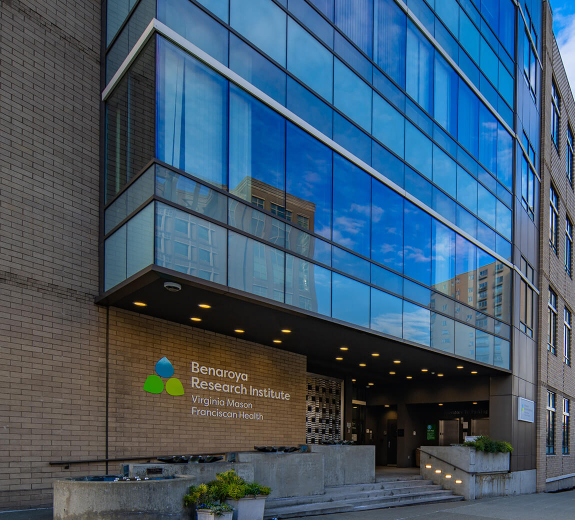
Featured BRI Building Exterior 2024

About Benaroya Research Institute

Benaroya Research Institute (BRI) is a world leader in human immune system research, working to advance the science that will predict, prevent, reverse and cure immune system diseases like allergies, asthma, cancer and autoimmune diseases.

BRI accelerates discovery through laboratory breakthroughs in immunology that are then translated to clinical therapies. We believe that a breakthrough in one immune system disease can lead to progress against them all, and work tirelessly toward our vision of a healthy immune system for everyone. BRI is an independent nonprofit research institute affiliated with Virginia Mason Franciscan Health and based in Seattle.

To learn more, visit benaroyaresearch.org and connect with us on Facebook, Instagram, Threads, LinkedIn, Bluesky and YouTube.

Press Releases

Seattle, WA -

Benaroya Research Institute Awarded $3.1 Million National Institutes of Health Grant to Study the Inflammatory Cycle of Common Skin Diseases

Researchers receive seven awards totaling more than $5 million in Q1 and Q2 2023

Today, the Benaroya Research Institute (BRI) announced new research grants awarded in Q1 and Q2 of 2023, including a $3.1 million grant to study inflammatory memory and how to break the cycle of inflammation in patients with skin diseases like psoriasis and atopic dermatitis, funded by the National Institutes of Health (NIH). All grants awarded to BRI in Q1 and Q2 totaled more than $5 million.

The $3.1 million NIH grant (R01AI169893) is led by BRI scientists Daniel Campbell, PhD, and Hannah DeBerg, PhD in collaboration with Dr. Iris Gratz, PhD, from the University of Salzburg in Austria, and aims to address gaps in our knowledge of the body’s inflammatory responses by evaluating how T cells and other structural cells communicate with each other. By studying samples from patients with common skin conditions like psoriasis and atopic dermatitis, the research team will assess hallmarks of the body’s “inflammatory memory”, the process by which inflammation leaves a lasting mark on a tissue that can modify subsequent inflammatory and tissue-repair responses. Ultimately, this work will help develop a better understanding of how inflammatory memory works in tissues like the skin in hopes of one day breaking the inflammatory cycle for patients with these skin conditions.

“We are diving deep into the body's inflammatory language,” said Campbell. “This research will help us understand how inflammation changes over time in conditions like psoriasis and atopic dermatitis. Ultimately, this knowledge could equip us with the ability to disrupt this destructive cycle of inflammation, providing hope for those grappling with such skin conditions.”

In addition to these awards, BRI team members received six other grants supporting research examining colorectal cancer, Type 1 diabetes, multiple sclerosis and more. 

“Understanding the complex human immune system means studying it from multiple angles, perspectives and disease areas,” said Jane Buckner, MD, president of BRI. “Collectively, these efforts demonstrate BRI’s capacity to predict, prevent, reverse and cure diseases of the immune system.”

Details of the six additional grants awarded to BRI in Q1 and Q2 2023 include:

Role of B cells in modulating metabolic pathways of pathogenic CD4 T cells in murine model of multiple sclerosis

Yevgeniy Yuzefpolskiy, PhD (Mentor: Estelle Bettelli, PhD)
$212,153

Dr. Yuzefpolskiy’s work aims to uncover a potentially significant building block for the next generation of multiple sclerosis (MS) therapies. His project seeks to understand specific metabolic requirements for T and B cells — believed to be a primary driver of nervous system destruction in MS — and whether disrupting those metabolic requirements may suppress the cells’ pathogenic function.

Sponsor: National Multiple Sclerosis Society

Defining and applying neo-epitope specific TCRs for engineered cell therapy

Aisha Callebaut, PhD (Mentor: Eddie James, PhD)
$188,886

The development of Type 1 diabetes is caused by T cell-mediated destruction of insulin-producing beta cells. This collaborative project seeks to identify specific T cell receptor sequences that preferentially recognize these stress-modified beta cell proteins and to leverage these to develop an engineered cell therapy capable of halting the progression of Type 1 diabetes. Cells will then be handed off for in vivo studies to evaluate their ability to home to the pancreas and oppose the destruction of beta cells in pancreatic islets. Based on those findings, the team will identify lead candidates to advance toward the development of a cell-based clinical therapeutic.

Sponsor: JDRF

Regulation of TLR signaling in anti-commensal B cell responses and mucosal inflammation

Adam Lacy-Hulbert, PhD, Oliver Harrison, DPhil
$474,375

Mucous membranes, which line parts of the body such as the mouth, nose, and eyelids, are home to a variety of bacteria, viruses and other microorganisms which rely on interactions with the body’s immune system. There is a pressing need to better understand the details of these interactions, as well as investigate if and how these interactions may be involved in inflammation and immune pathology. This project will build on prior findings that demonstrated the involvement of toll-like receptor signaling (TLR), mediated by surface receptor integrin αvβ3, in this antibody generation process. Researchers will test the hypothesis that αvβ3 regulates B cell responses to bacteria to maintain a defense against infection while preventing overactive inflammatory responses.

Sponsor: National Institutes of Health (R21AI171921)

Cutaneous T cell dependent regulation of scleroderma-associated fibroblasts

Peter Morawski, PhD
$200,000

This project aims to identify the individual components of the immune system that drive different aspects of scleroderma, a systemic inflammatory disease. Specifically, researchers will assess how T cells can promote distinct gene expression profiles in the skin. By identifying the individual components of the immune system that may drive different aspects of scleroderma, the team hopes to predict how the disease will progress in different people.

Sponsor: National Scleroderma Foundation

Identification of novel targets in a unique subset of Tregs for therapies for colorectal cancer

Kazushige Ninomiya, PhD
$299,850

Prior research from the Ziegler lab revealed a potential therapeutic target in a unique subset of regulatory T cells (Tregs) for colorectal cancer in humans and mice. This grant will allow researchers to expand that work to further characterize these Tregs (in models) and screen human patients with colorectal cancer across disease stages. Ideally, this research will lay the foundation for new therapies and diagnostic approaches for patients with colorectal cancer. 

Sponsor: Andy Hill CARE Fund

Foxp3 isoforms and UVB-induced skin inflammation expression

Steve Ziegler, PhD
$476,575

Ultraviolet B light is a common environmental trigger that can induce skin inflammation and flares in several autoimmune diseases. This work will provide insights into the role of Foxp3∆E2 Treg function and the development and progression of inflammatory skin disease.

Sponsor: National Institutes of Health (R21AI178426)

For more information on BRI and its research efforts, visit www.benaroyaresearch.org.

Featured BRI Building Exterior 2024

About Benaroya Research Institute

Benaroya Research Institute (BRI) is a world leader in human immune system research, working to advance the science that will predict, prevent, reverse and cure immune system diseases like allergies, asthma, cancer and autoimmune diseases.

BRI accelerates discovery through laboratory breakthroughs in immunology that are then translated to clinical therapies. We believe that a breakthrough in one immune system disease can lead to progress against them all, and work tirelessly toward our vision of a healthy immune system for everyone. BRI is an independent nonprofit research institute affiliated with Virginia Mason Franciscan Health and based in Seattle.

To learn more, visit benaroyaresearch.org and connect with us on Facebook, Instagram, Threads, LinkedIn, Bluesky and YouTube.

Forward Genetics To Identify New Mechanisms in Immunity and Host Defense

The immune system is remarkably complex, and scientists are still uncovering how it protects the body. In the Lacy-Hulbert Lab, researchers focus on identifying the mechanisms that control innate immunity and host defense, using innovative genetic approaches that let them explore immunity on an unprecedented scale.

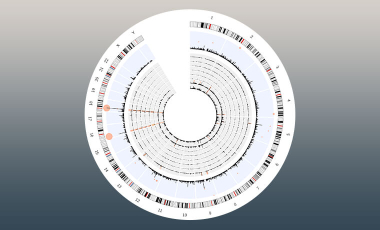
Forward genetic techniques developed by the lab combine transposon mutagenesis with gene sequencing to systematically probe immune mechanisms in mammalian cells. This platform enables large-scale gain- and loss-of-function screens across the genome in multiple cell types, providing a powerful way to identify the genes and pathways that drive immune responses.

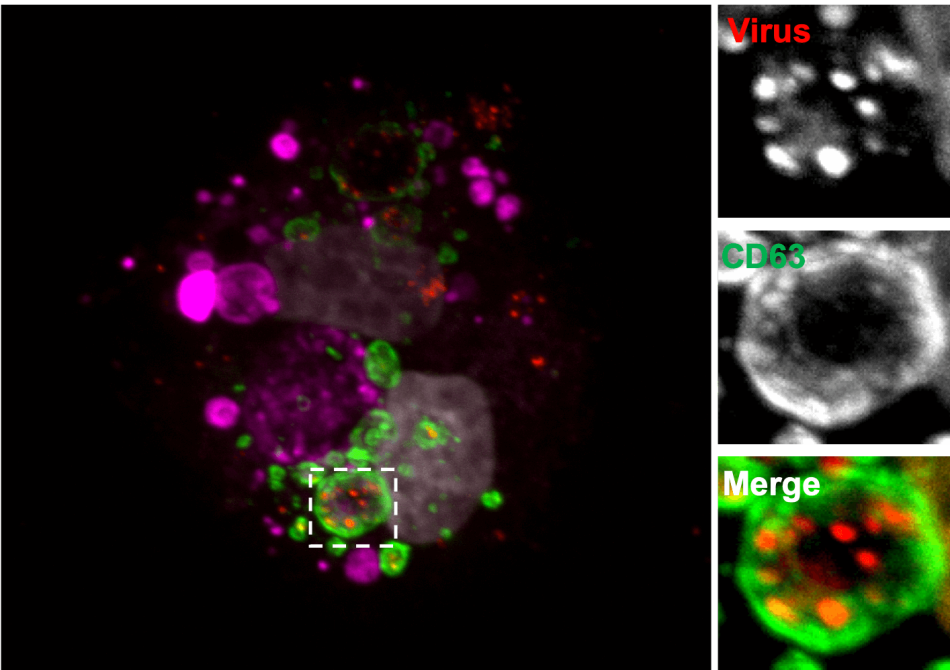
Initially, the system was validated in a screen for resistance to cytotoxic cancer drugs. Today, the team’s research has shifted to understanding host defense against viral infections, including Ebola and influenza viruses. Using this approach, Lacy-Hulbert Lab researchers are pinpointing genes that determine whether a virus can enter a cell or replicate, with the goal of identifying potential targets for therapies that could prevent or treat viral infections.

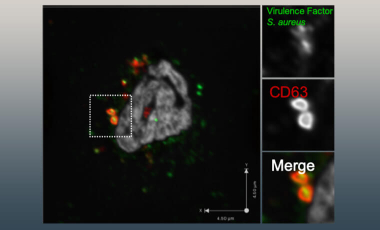
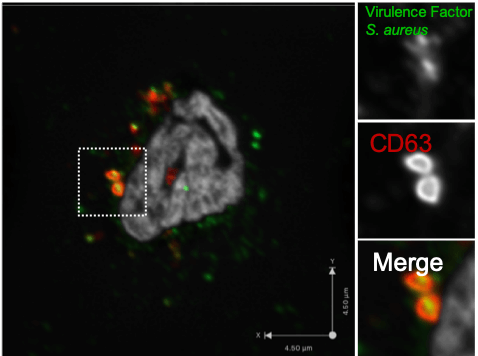
Beyond identifying individual genes, the lab’s work has revealed broader mechanisms, such as how pathogens hijack the normal trafficking of immune cells. To visualize these processes, researchers employ advanced microscopy, including confocal, live-cell, high-throughput imaging and virtual reality, to track how pathogens interact with and reshape cells. These insights help scientists understand not only viral infections but also the cellular processes that, when disrupted, can contribute to the development of autoimmunity.

By uncovering new mechanisms of host defense, the Lacy-Hulbert Lab aims to lay the foundation for therapies that strengthen immunity, prevent infection, and improve the lives of people living with autoimmune disease.

Lacy-Hulbert Research Project Inline - Forward Genetics Histology

Regulation of Immune Responses

The Lacy-Hulbert Lab seeks to understand how the immune system maintains balance — mounting strong defenses against infection while avoiding harmful attacks on the body itself. When this balance is disrupted, it can lead to the development of autoimmune disease. By uncovering the genes and pathways that govern immune signaling, the lab aims to identify new strategies to restore immune health and improve patient care.

Using an integrated approach that combines genetics, biochemistry and cell biology with in vivo disease models, researchers investigate how immune signaling pathways function across diverse cell types and disease contexts.

A long-standing focus of the Lacy-Hulbert Lab is how immune cells cooperate to control inflammation through the cytokine transforming growth factor–beta (TGF-beta). TGF-beta is a central regulator of immune responses, helping to quiet inflammation and promote resolution after an immune challenge. However, TGF-beta is produced in an inactive form and must be precisely activated at the right time and place. Researchers in the Lacy-Hulbert Lab have shown that dendritic cells and macrophages activate TGF-beta through a specific cell surface receptor, alpha-v beta-8 integrin, enabling TGF-beta to signal to other immune cell populations, including T cells. Current work explores how this integrin is expressed and regulated, and whether selectively targeting this process could inform new therapeutic approaches for inflammatory bowel disease, multiple sclerosis and cancer.

More recently, the lab has identified a new role for genes involved in autophagy — the process by which cells recycle their own components during stress or damage — in regulating immune signaling. Certain autophagy pathways are activated when immune cells detect danger signals through toll-like receptors (TLRs). While TLRs are essential for recognizing infections, they can also be triggered by molecules from the body’s own cells, contributing to the development of autoimmunity. The lab’s work shows that autophagy-related pathways act as a critical brake on TLR signaling, helping prevent excessive or self-directed immune responses.

Ongoing studies examine how this regulatory system functions in B cells, plasmacytoid dendritic cells and macrophages, and how genetic variation in autophagy-related genes influences lupus disease risk, with the goal of informing future approaches to diagnosis, treatment and disease prevention.

Distinguishing Pathogens From Self

The innate immune system is the body’s first line of defense, constantly on patrol for signs of infection. Specialized cells, including dendritic cells and macrophages, detect microbial invaders and activate immune responses to protect the body. Over the past two decades, research has uncovered a complex network of receptors these cells use to recognize microbes and coordinate the wider immune response.

Not all microbes are harmful. Many live peacefully in the gut and other tissues, and some are even beneficial. However, the same receptors that detect microbes can sometimes respond to the body’s own molecules. When this happens inappropriately, it can trigger autoimmune diseases, in which the immune system mistakenly attacks healthy tissue.

A major focus of the Lacy-Hulbert Lab is understanding how the immune system responds to cells that die through programmed processes such as apoptosis. Apoptosis is a silent form of cell death, removing damaged or unnecessary cells without causing inflammation. When dendritic cells engulf apoptotic cells, they adopt a regulatory state that encourages immune tolerance, preventing harmful attacks on the body’s tissues. This process allows the immune system to continuously monitor the body’s own molecules and maintain balance, safeguarding overall health.

Researchers in the Lacy-Hulbert Lab are exploring the molecular and cellular pathways that determine when innate immune cells promote tolerance and when they trigger inflammation. By uncovering these mechanisms, the lab aims to pinpoint the triggers of autoimmune disease and pave the way for more precise, targeted therapies for people affected by these conditions.

Lacy-Hulbert Research Project Inline - Distinguishing Pathogens from Self

SARS-CoV2 And COVID-19

During the COVID-19 pandemic, the Lacy-Hulbert Lab applied its expertise to better understand SARS-CoV-2, the virus that causes COVID-19, and explore ways to prevent and treat infection. Using forward genetic screening, the team identified genes and cellular pathways that can enhance cellular resistance to the virus. The goal of this approach was to uncover new therapeutic targets and help explain why some individuals experience severe disease while others have mild symptoms — or none at all.

The Lacy-Hulbert Lab collaborated closely with BRI lung immunity researchers, including Steven Ziegler, PhD, Jessica Hamerman, PhD, and Daniel J. Campbell, PhD, as well as partners at Seattle Children’s Research Institute and the University of Washington. Together, the teams tested whether antiviral mechanisms previously identified in studies of Ebola and influenza could also be effective against SARS-CoV-2.

By combining cutting-edge genetic tools with deep immunology expertise, researchers in the Lacy-Hulbert Lab contribute to a broader understanding of how viruses interact with the immune system and help inform strategies to protect human health.

News Logo Nature

Virtual-reality applications give science a new dimension

Read news ➡
News Logo Lupus News Today

13 Lupus Research Program Winners Share $5M for Work Advancing Disease Understanding and Treatment

Read more ➡
News Logo R&D World

Using Virtual Reality, Researchers Get a Closer Look at Autoimmune Disease

Read more ➡
News Logo R&D World

R&D Special Focus: Virtual Reality Scientific Applications

Read more ➡