
From bench to bedside and back again
Scientists in the Center for Translational Immunology study blood and tissue samples from people with immune system diseases including autoimmune diseases, allergies, infectious diseases and cancer. This includes samples from people with Down syndrome, who are at a significantly higher risk of developing an autoimmune disease than the general population. We use advanced systems immunology tools to examine genes, cells and molecules involved in these diseases. Our studies aim to discover how diseases start and progress; identify biological characteristics tied to certain diseases or response to therapy; and to find new drug targets.
We often build on discoveries made by scientists in the Center for Fundamental Immunology, looking for patterns and further testing their theories in human samples. We also work with the Center for Interventional Immunology and pharmaceutical companies to examine samples from clinical trials to better understand how and why new medicines did or did not impact disease, and to collect data that leads to new therapies.

Karen Cerosaletti, PhD
Labs in the Center for Translational Immunology
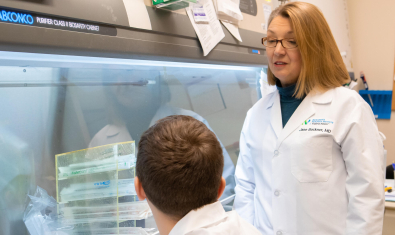
Buckner Lab
The Buckner Lab is focused on identifying the underlying mechanisms by which regulation of the adaptive immune response fails or is overcome in the setting of human autoimmunity.
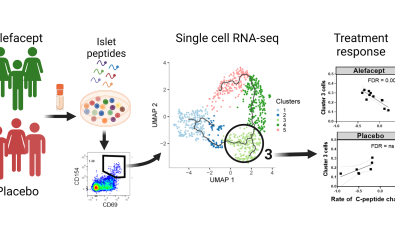
Cerosaletti Lab
Dr. Cerosaletti’s research is focused on the role of the adaptive immune system in the development and progression of immune mediated diseases and the response to treatment.
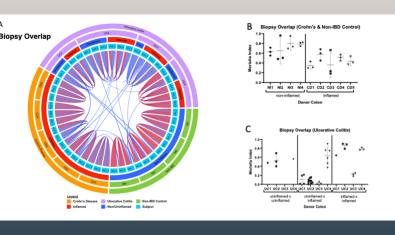
J. Lord Lab
The J. Lord Lab studies how the immune system interacts with the intestinal environment and how disruptions in these interactions contribute to inflammatory bowel disease, including Crohn’s disease and ulcerative colitis.
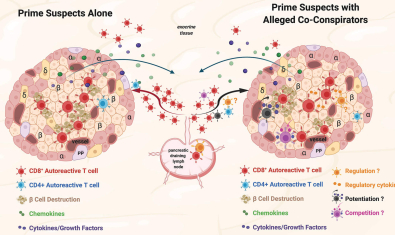
James Lab
The James lab is working to develop an increasingly in depth knowledge of autoreactive T cell responses by examining the characteristics of the epitope specific cells involved in autoimmune diseases through robust multi-parameter assays and also at the single cell level.
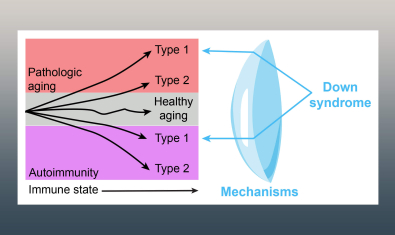
Khor Lab
The Khor Lab is pioneering new ways to understand how the immune system works and why it sometimes goes awry.
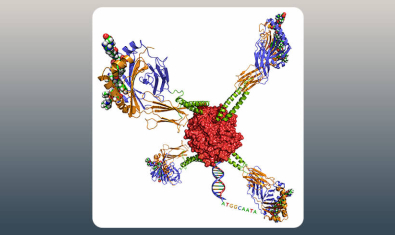
Kwok Lab
The Kwok Lab develops and applies advanced tools to study antigen-specific T cells, rare immune cells that play central roles in infection, vaccination, allergy, autoimmunity and cancer.
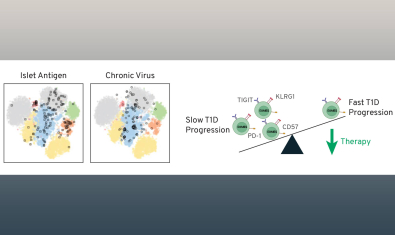
Long Lab
The Long Lab focuses on understanding mechanisms of tolerance, why they are lost in autoimmunity, and how tolerance can be augmented with therapy.
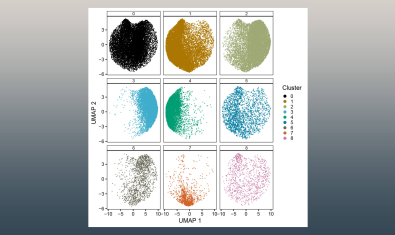
Mikacenic Lab
The Mikacenic Lab studies how the immune system responds to lung injury and how those responses contribute to inflammation, tissue repair and fibrosis.
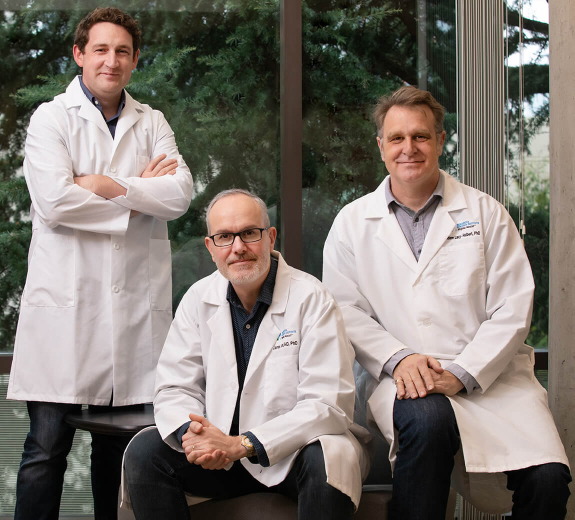
Gut Immunity Program
The Gut Immunity Program studies how immune responses in the gut go wrong and lead to inflammatory bowel diseases (IBD) such as, celiac disease, Crohn's & colitis and other autoimmune conditions.
Researchers use model systems, biorepository samples and clinical studies to understand how immune responses go awry. They also study the gut microbiome and how immune responses in the gut contribute to other autoimmune diseases.
News
Benaroya Research Institute Awarded 16 Million Across 18 Grants in First Half of 2026 to Predict, Prevent, Reverse and Cure Immune System Diseases
Read More
BRI Visiting Scientist Receives Distinguished UW Medicine Award
Read More