
The Speake Lab leads BRI’s Experimental Medicine Unit (EMU) to understand how emerging therapies influence the immune and metabolic pathways involved in type 1 diabetes (T1D). These studies are designed to identify biomarkers of treatment response and characterize the biological mechanisms underlying therapeutic effects.
Research conducted through the EMU investigates immune-modulating therapies, beta cell function, immune cell dynamics, and biomarkers associated with disease progression and treatment response. By integrating mechanistic studies with clinical research, the team generates insights that inform the development of more effective therapies and precision medicine approaches for T1D. Recent research areas include:
- Differential response to two therapies targeting the IL-6 pathway
- AIRmax as a measure of functional beta cell mass in at-risk individuals for T1D
- Defining early markers of response to abatacept in new-onset T1D
- Kinetics of immune cell turnover
- Longitudinal evaluation of immune biomarkers in T1D and type 2 diabetes
Additional Research Projects

Evaluating Therapies for Type 1 Diabetes
The Center for Interventional Immunology, directed by Dr. Speake, collaborates with biotechnology and pharmaceutical partners to evaluate promising therapies designed to prevent, delay or treat type 1 diabetes.
The Sound Life Project
The Sound Life Project studies healthy immune systems to better understand why individuals respond differently to infections, vaccinations, and other immune challenges.
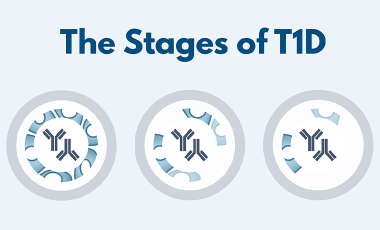
Understanding Type 1 Diabetes Progression
The Speake Lab analyzes Type 1 Diabetes TrialNet data to better understand how type 1 diabetes develops and improve approaches to monitoring people at risk for the disease.