Q: BRI studies the immune system and autoimmune diseases. How does studying wildfire smoke exposure fit into this work?
Autoimmune diseases are the result of complicated interactions between a person’s genes, their immune system and their environment. Recently, BRI scientists have started examining how a person’s environment contributes to their risk of disease.
We don’t know very much about how environmental exposures — from air pollution to wildfire smoke — might impact autoimmunity. But we have some clues that they play an important role.
Q: What have we learned so far about how wildfire smoke impacts the immune system?
As wildfire seasons become more intense, we are getting more opportunities to learn about how it impacts our immune systems.
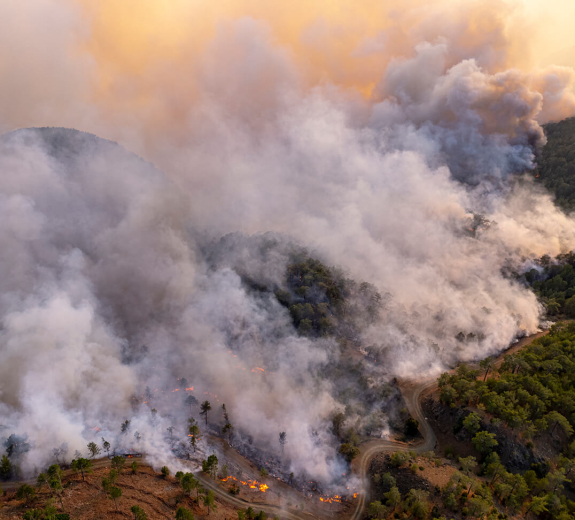
In 2020, Seattle experienced a long and severe wildfire smoke event. At the time, BRI was following participants from the Sound Life Project, a study investigating the immune systems of healthy people. Some Sound Life Project participants donated samples to BRI during or immediately after the wildfire smoke event. This allowed us to compare those samples to previous samples from those donors and explore immune cell changes before and after exposure to wildfire smoke.
We observed that even short-term exposure to wildfire smoke can cause changes in important immune cells, including:
- An increase in regulatory T cells (Tregs), which act as a brake for the immune system.
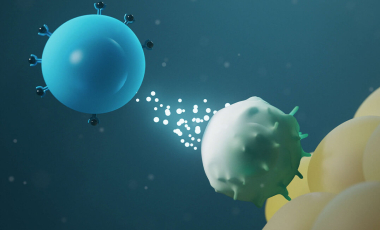
- An overall decrease in dendritic cells, which patrol tissues looking for invaders like viruses and bacteria.
- An increase of one type of dendritic cell called plasmacytoid dendritic cells (PDCs), which release a substance called interferons. Interferons both help the body fight off germs and play a role in autoimmune disease flare-ups.
In general, older people experienced more intense immune cell changes.
“When we started this analysis, we weren’t sure that the impact of wildfire smoke would be strong enough for us to detect differences, especially because we were looking in a relatively small number of people,” Dr. Smithmyer said. “It turns out that wildfire smoke does have an impact on the immune system that we can see and it impacts cells involved in autoimmunity like T cells.”
Q: What questions are you asking next?
We have launched a new study asking firefighters who have been exposed to wildfire smoke to donate samples at the beginning and end of the wildfire season. The study will:
- See how their immune systems changed with high levels of smoke exposure.
- Compare them to people from our biorepository who had less exposure.
In the future, we would like to conduct a larger study to understand the differences in how people’s immune systems respond to wildfire smoke to help us understand who may be at the highest risk of developing complications.
“As wildfires become more common and more people are exposed to wildfire smoke, this work can help us understand the impact of wildfire smoke on the immune system, and how this exposure relates to autoimmune disease,” Dr. Smithmyer said.
Learn more
BRI is currently recruiting wildland firefighters for to study wildfire smoke exposure and the immune system. Learn more or sign up to participate.