
Studies have shown that T cells, particularly regulatory T cells (Tregs), can play an important role in determining whether inflammation develops in the intestine. The J. Lord Lab investigates how these cells and related mechanisms contribute to inflammatory bowel disease (IBD) in humans.
Researchers have extensively characterized T cells from the blood and intestinal tissue of people with and without IBD. This work has provided insights into the organization of the human adaptive mucosal immune system and allowed the lab to test proposed mechanisms of disease, including whether impaired Treg function contributes to IBD.
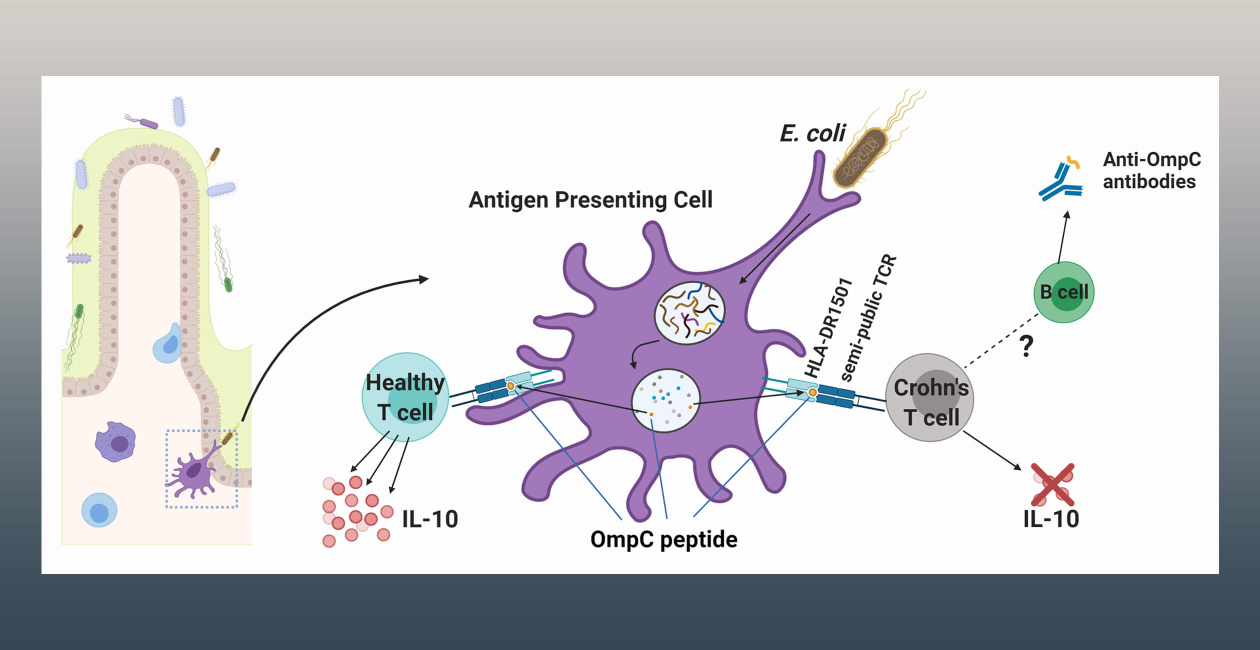
The lab has also focused on T cells that recognize outer membrane porin C, a protein produced by E. coli. By comparing these antigen-specific T cells in people with and without Crohn’s disease, researchers have identified differences that may provide new insights into how T cell responses to gut bacteria contribute to intestinal inflammation. Ultimately, this work could reveal immune mechanisms and potential biomarkers that deepen understanding of disease development and inform treatment.
Featured Publications
-
CD4 T Cells in IBD: Crossing the Line?
Digestive Diseases and SciencesBoden EK, Lord JD -
Promises and paradoxes of regulatory T cells in inflammatory bowel disease.
World Journal of GastroenterologyLord JD -
Human Blood and Mucosal Regulatory T Cells Express Activation Markers and Inhibitory Receptors in Inflammatory Bowel Disease.
PLoS OneLord JD, Shows DM, Chen J, Thirlby RC -
Paradoxically increased FOXP3+ T cells in IBD do not preferentially express the isoform of FOXP3 lacking exon 2.
Digestive Diseases and SciencesLord JD, Valliant-Saunders K, Hahn H, Thirlby RC, Ziegler SF
Additional Research Projects
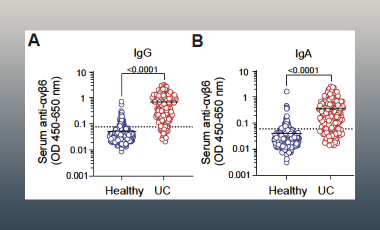
Understanding the Role of Autoantibodies in Ulcerative Colitis
The J. Lord Lab studies how autoantibodies develop in ulcerative colitis and how they may contribute to inflammation in the colon.
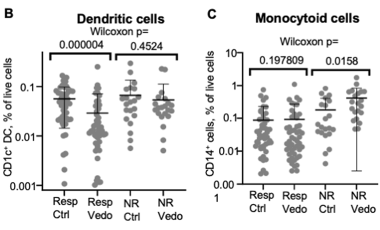
Understanding Immune Responses to Vedolizumab in Inflammatory Bowel Disease
The J. Lord Lab studies how vedolizumab, a therapy for inflammatory bowel disease, affects immune cells in the blood and intestinal tissue to better understand treatment response and identify potential biomarkers.