
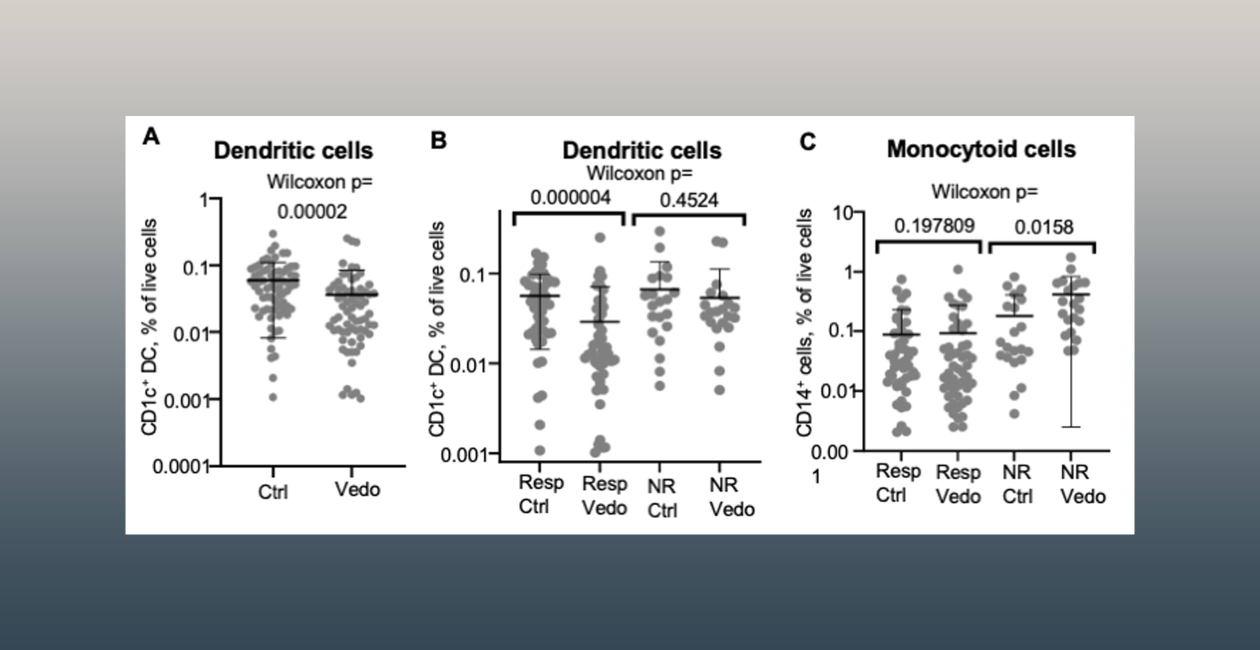
Vedolizumab is a therapy for inflammatory bowel disease (IBD) that targets integrin alpha-4 beta-7, a molecule involved in directing immune cells to the intestine. Its effectiveness in treating IBD provides an opportunity to better understand how alpha-4 beta-7 and the immune cells that express it contribute to intestinal inflammation.
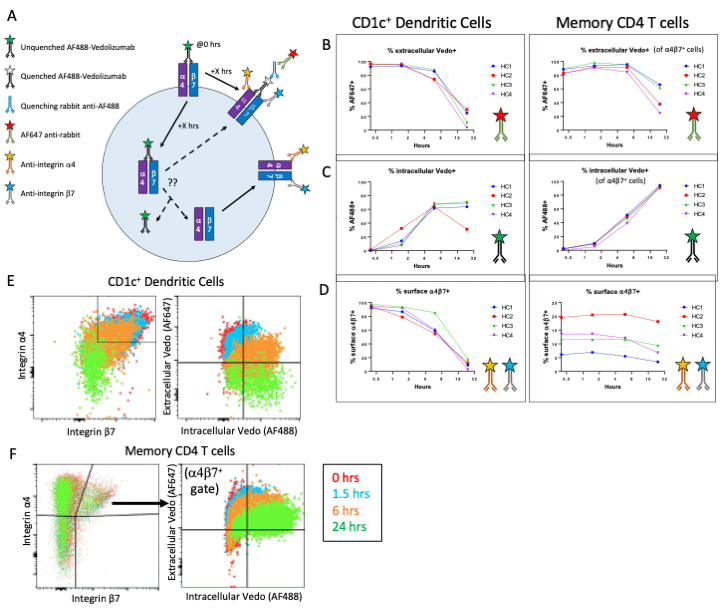
The J. Lord Lab has performed detailed analyses of immune cells from blood samples and intestinal biopsies collected from people before and during vedolizumab treatment. By comparing changes in people who do and do not respond to the therapy, researchers are investigating the immune mechanisms that may influence its effectiveness. The lab has also studied blood cells from healthy donors to examine how vedolizumab interacts directly with immune cells.
This work has identified potential biomarkers associated with treatment response and a specific immune cell population that may play an important role in IBD. By determining how these cells and pathways contribute to disease and respond to treatment, researchers hope to inform more personalized approaches to therapy.
Featured Publications
-
Circulating integrin alpha4/beta7+ lymphocytes targeted by vedolizumab have a pro-inflammatory phenotype.
Clinical ImmunologyLord JD, Long SA, Shows DM, Thorpe J, Schwedhelm K, Chen J, Kita M, Buckner JH -
Identification of Candidate Biomarkers Associated with Response to Vedolizumab in Inflammatory Bowel Disease.
Digestive Diseases and SciencesBoden EK, Shows DM, Chiorean MV, Lord JD
Additional Research Projects
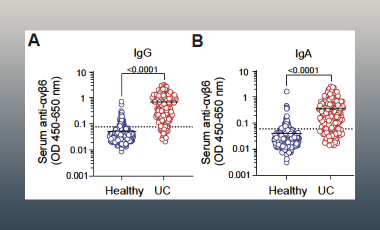
Understanding the Role of Autoantibodies in Ulcerative Colitis
The J. Lord Lab studies how autoantibodies develop in ulcerative colitis and how they may contribute to inflammation in the colon.
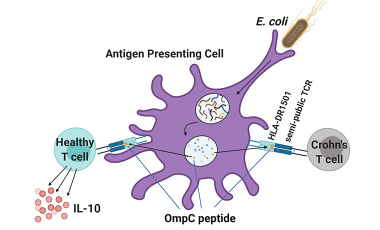
Understanding T Cell Responses in Inflammatory Bowel Disease
The J. Lord Lab studies how T cells in the blood and intestinal tissue respond to gut bacteria and how differences in these responses may contribute to inflammatory bowel disease.