
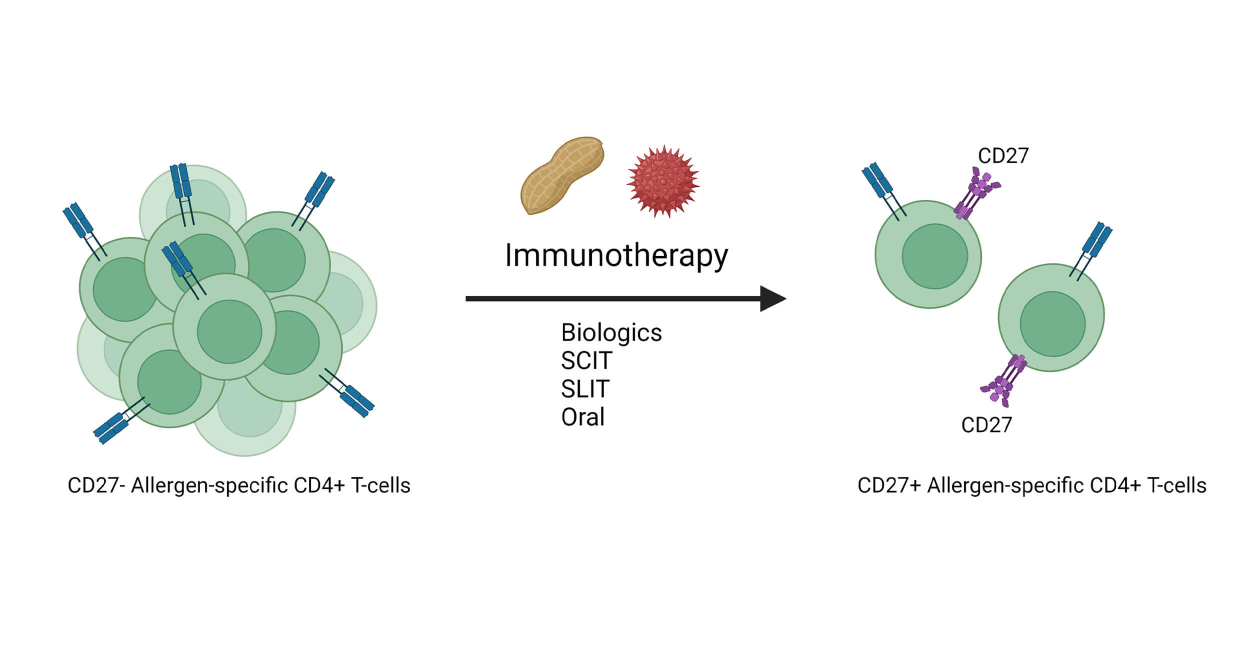
Allergic diseases affect millions of people worldwide and can significantly impact quality of life. Recent advances in understanding these conditions have led to the development of new treatment approaches, including allergen-specific immunotherapy.
The Kwok Lab uses class II tetramer reagents to study allergen epitope-specific CD4+ T cells in the peripheral blood of allergic individuals. These studies aim to define T cell epitopes and investigate how epitope-specific T cells change during immunotherapy. The team is investigating how distinct epitope-specific T cell populations contribute to allergic disease and treatment responses.
Current work focuses on peanut allergy and uses clinical samples obtained through the Immune Tolerance Network, including samples from individuals receiving oral immunotherapy. Tracking these CD4+ T cells during immunotherapy helps researchers better understand their contributions to allergic disease and treatment responses and supports the development of more effective immunotherapies.
Additional Research Projects

CD4+ and CD8+ T Cell Responses to Shingrix Vaccination
The Kwok Lab studies CD4+ and CD8+ T cell responses following Shingrix vaccination to better understand how the vaccine provides long-lasting protection against shingles.
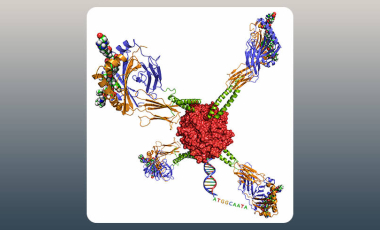
DNA-Barcoded HLA Class II Tetramers
The Kwok Lab is developing DNA-barcoded HLA class II tetramers to analyze the specificity, TCR clonotypes, surface protein expression, and gene expression profiles of antigen-specific CD4+ T cells at single-cell resolution.

Autoreactive CD4+ T Cells in Type 1 Diabetes
The Kwok Lab uses second-generation tetramer reagents to detect and characterize autoreactive CD4+ T cells during type 1 diabetes immunotherapy.