
Dr. Cerosaletti’s research is focused on the role of the adaptive immune system in the development and progression of immune mediated diseases and the response to treatment.
Current research is examining the role of T cells in the development and progression of autoimmune type 1 diabetes (T1D), and the response to immunotherapy in T1D. The lab is identifying transcriptional and T cell receptor signatures of islet autoreactive CD4 T effector cells and regulatory T cells that are linked to disease course.
The Cerosaletti lab is also examining the expansion of stem-like CD4 memory T cells in T1D which may serve as a reservoir of autoreactive T cells in T1D.
Additionally, Dr. Cerosaletti has a longstanding research interest in the molecular genetics of immune disorders to establish functional links between genetic variants and alterations in the immune response leading to loss of tolerance, viral response and response to therapy. Current work is focused on the impact of genetic variants in the response to peanut allergy immunotherapy.

Karen Cerosaletti, PhD


Research Projects
Autoreactive T cells in type 1 diabetes
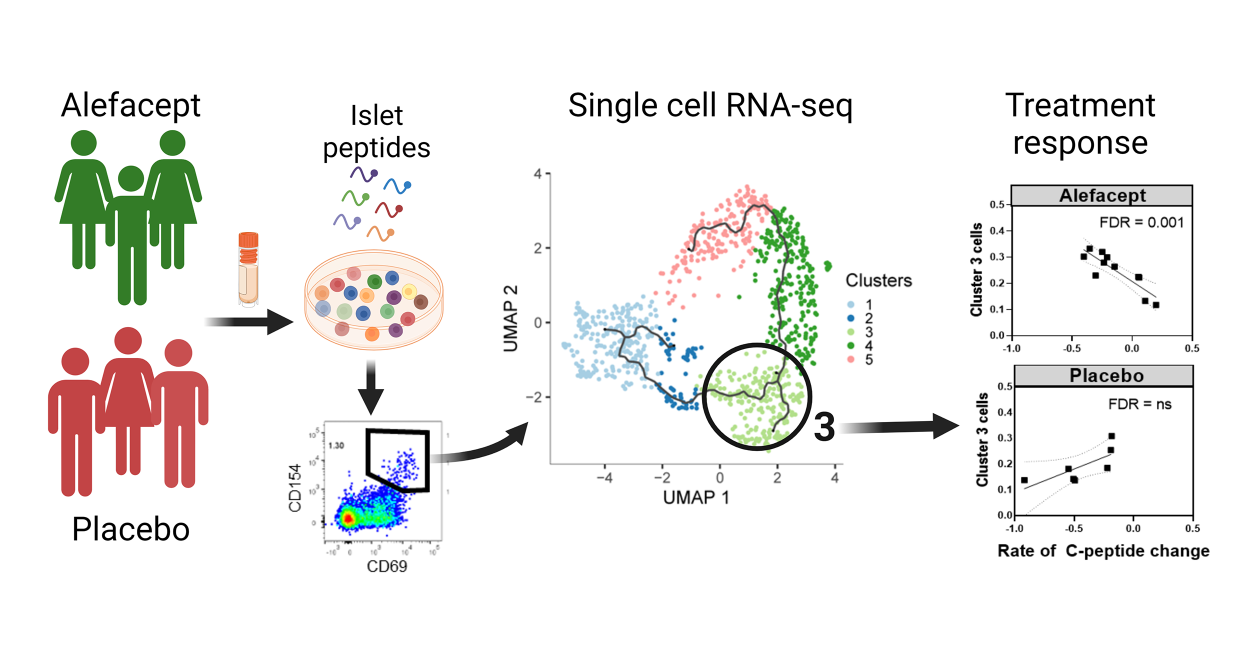
The lab is investigating autoreactive effector and regulatory T cells in T1D using single cell RNA sequencing to identify features of these cells that are linked to disease course or response to therapy.
Genetics of response to allergy immunotherapy
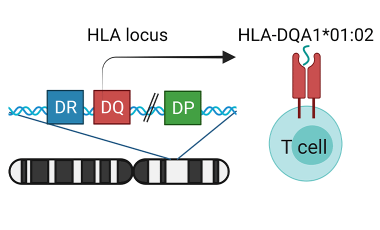
The Cerosaletti Lab is studying the role of genetic variation in the HLA class II genes in the response to peanut oral immunotherapy by analysis of antigen presentation and recognition by peanut specific T cells.
Stem-like memory CD4 T cells in type 1 diabetes
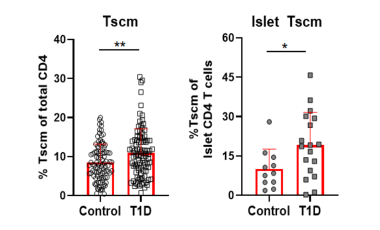
The Cerosaletti lab is studying stem-like memory CD4 T cells (Tscm) in T1D to understand the mechanism leading to expansion of these cells in T1D and determine if Tscm levels influence disease progression and response to therapy.
Featured Publications
Integrated histopathology of the human pancreas throughout stages of type 1 diabetes progression
Nature Communications
Genetic Determinants of Peanut-Specific IgG4 Levels in the Context of Sustained Oral Peanut Exposure in the LEAP Study
Immunology
Expanding the Case for Hybrid Insulin Peptides in Type 1 Diabetes.
Diabetes
Functional dissection of noncoding variants associated with rheumatoid arthritis
Annals of the Rheumatic Diseases
A molecular basis for milk allergen immune recognition in eosinophilic esophagitis.
The Journal of Allergy and Clinical Immunology
Interview with Dr. Megan Smithmyer: Type 1 Diabetes Biorepository (BRIDge Study)
Dr. Smithmyer is a staff scientist at Benaroya Research Institute (BRI) in the Center for Interventional Immunology. She has kindly agreed to speak with us about what the BRIDge Biorepository is and its importance to the work that scientists like her do in the realm of type 1 diabetes.

Exploring Alpha: Deep Dive into T Cells Unveils Possible Driver of T1D
A team led by Peter Linsley, PhD, and Karen Cerosaletti, PhD, recently uncovered a clue that could help solve the mystery of why and how T1D starts and maybe even open the door to new therapies that stop the disease.

Understanding EOE: New Studies Shed Light on Complex Condition
Eosinophilic esophagitis (EOE), a rare immune system condition that’s connected to food allergies and causes serious inflammation in the esophagus. A BRI research team, led by Karen Cerosaletti, PhD, and Steven Ziegler, PhD, launched a study asking some key questions about EOE.
News
New Study Links Noncoding DNA Genetic Variants to Root Causes of Rheumatoid Arthritis
Read More
Benaroya Research Institute Awarded Over Half a Million Across Two Grants in First Half of 2025 to Predict, Prevent, Reverse and Cure Immune System Diseases
Read More