
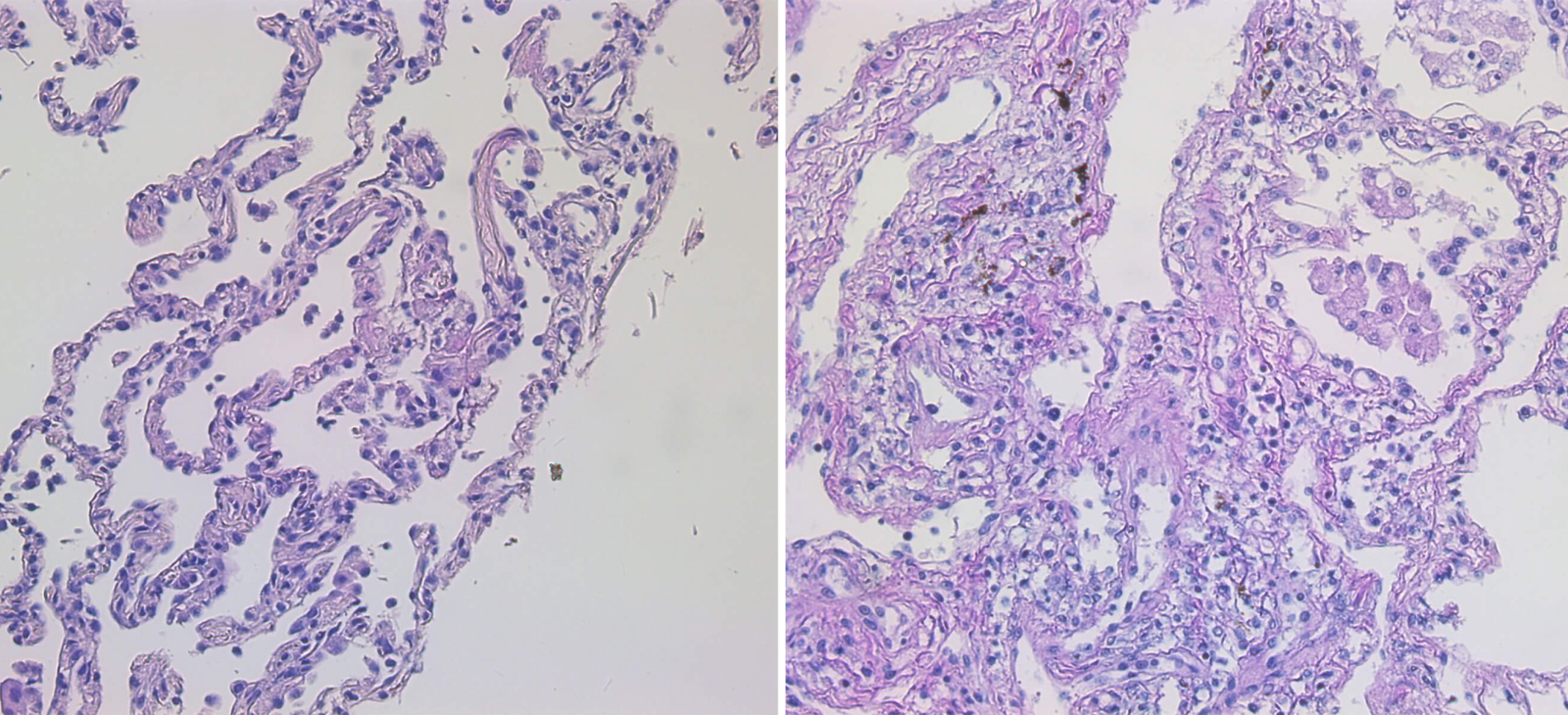
Macrophages in the lung consist of alveolar macrophages and interstitial macrophages. These cells play important roles in driving pathologic lung inflammation, promoting tissue repair, and contributing to fibrosis. Researchers use single-cell RNA sequencing, spatial transcriptomics, and high-dimensional cytometry to identify distinct macrophage populations and understand how they function during lung disease.
The Mikacenic Lab investigates macrophage populations in both acute illnesses, such as hypoxemic respiratory failure, and chronic lung diseases, including pulmonary fibrosis associated with autoimmune disease, hypersensitivity pneumonitis, and other forms of interstitial lung disease.
By characterizing these macrophage populations, the lab aims to better understand how they contribute to inflammation, tissue repair and fibrosis across acute and chronic lung diseases.
Additional Research Projects
Immune Responses to Respiratory Viral Infections in Rheumatoid Arthritis
The Mikacenic Lab studies why respiratory viral infections affect people with rheumatoid arthritis differently than healthy adults.
Immune Checkpoint Signaling in Acute Respiratory Distress Syndrome
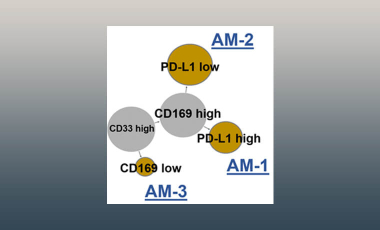
The Mikacenic Lab studies how immune checkpoint signaling influences inflammation and recovery in acute respiratory distress syndrome.