
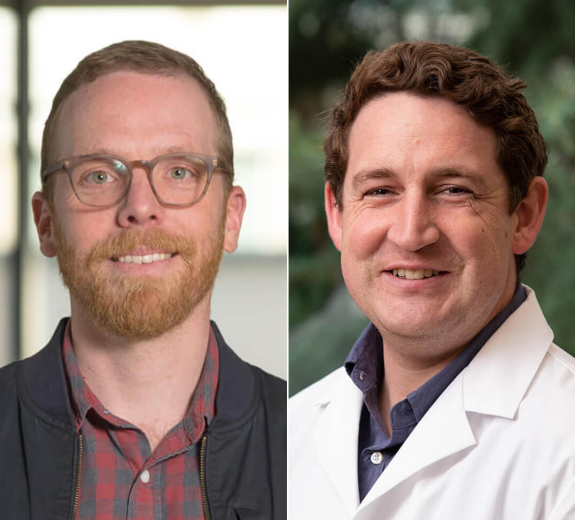
Innovation Fund Spotlight: Finding the Precise Moment When Immune Cells Start Causing Disease
Read ArticleBlog Posts focused on: John Ray, PhD; Lab Ray

October 23, 2024
Innovation Fund Spotlight: Single-Cell CRISPR Screening To Explore Genetics and Autoimmune Diseases
Together, Jessica Hamerman, PhD, and John Ray, PhD, are exploring the genetic roots of autoimmune disease using single-cell CRISPR screening.

January 11, 2024
John Ray, PhD, Receives NIH New Innovator Award
The prestigious NIH Director’s New Innovator Award provides significant funding for innovative research that holds the promise of high rewards. And BRI geneticist John Ray, PhD, just received one.
January 9, 2023
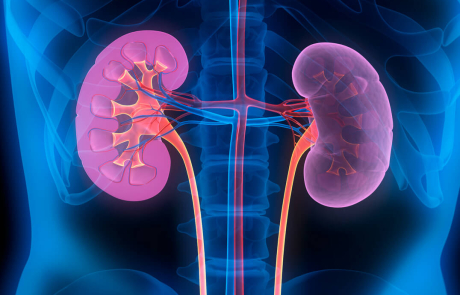
Lupus Nephritis: New Approach Could Pave the Way for Innovative Treatments
When Jessica Hamerman, PhD, was perusing research papers in 2021, one discovery stopped her in her tracks — and ultimately put her on a whole new research path.

December 30, 2022
A Heartfelt Thank You: One Scientist Shares How Donors Make an Impact at BRI
This giving season, on behalf of our team, I extend a heartfelt thank you to all BRI donors and share some of the meaningful ways your philanthropy supports our work.
June 17, 2022
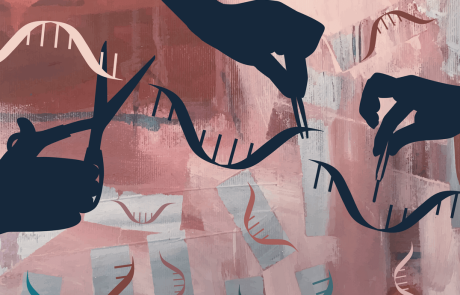
Finding Genetic Changes That Cause Autoimmunity
To better treat — and even prevent — autoimmune diseases, we need to know exactly what causes them. Scientists have long known that genetics play a role in these diseases but are still working to understand how and why.

October 6, 2020
Targeting the Genetic Roots of Autoimmunity
Every human has almost exactly the same DNA. But about 0.1 percent of human DNA is variable. This tiny percentage drives a surprising number of unique qualities in humans, from hair and eye color to our metabolism and immune responses.

