
Blog Posts focused on: Type 1 Diabetes (T1D); Type 1 Diabetes TrialNet

April 1, 2024
New Frontiers in Immunology: Studying Diseases in the Tissues Where They Happen
Learn how Eddie James, PhD, Peter Morawski, PhD, and other BRI scientists are exploring tissue-specific immunology and why this approach is fueling discoveries.
January 10, 2024
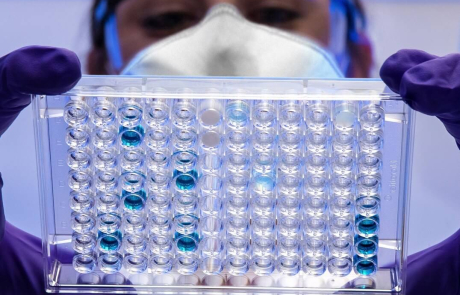
On the Brink of a Golden Age of Medicine
"I know we will reach that golden age, and BRI’s research in human immunology is the vehi¬cle that will take us there. This field has shepherded incredible advances in recent years, including new vaccines, new cancer treatments, and new and better treatment options for autoimmune disease."

September 25, 2023
Participants Like Mikaela Fuel Research Advances
Participating in a clinical trial for type 1 diabetes (T1D) was easy for 9-year-old Mikaela. “Everyone was really nice. I just had to drink a milkshake with some medicine in it and get an IV.
September 19, 2023
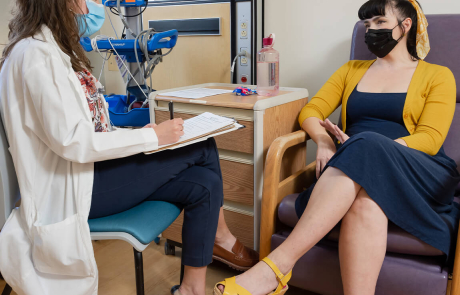
An Insider's Look Into Clinical Trials at BRI
Before medicines become widely available, they have to be rigorously tested — first in the lab, then in people through clinical trials.
June 30, 2023
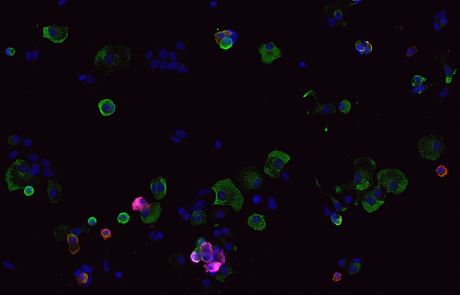
To Belgium and Back Again to Study Beta Cells
BRI researchers are working to develop a groundbreaking new approach to treat type 1 diabetes (T1D). They aim to turn T cells that cause T1D into regulatory T cells (Tregs) that protect you from T1D.

March 14, 2023
Prediction and Prevention: A New Paradigm in Autoimmune Disease
The FDA recently approved teplizumab, a groundbreaking therapy that signals a paradigm shift in treating not only T1D but all autoimmune diseases.
December 19, 2022
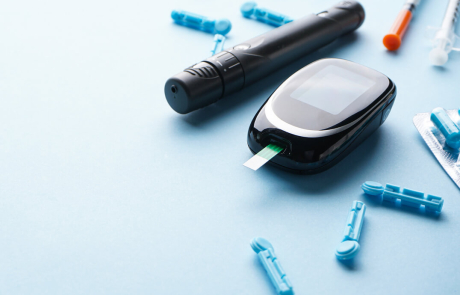
A Promising New Approach to Stopping Type 1 Diabetes
A new study, led by a BRI researcher and published in Science Translational Medicine, put engineered t-regulatory cells to the test. In lab tests, the research team found that the engineered cells controlled the cells that attack the pancreas in T1D patients.
November 17, 2022
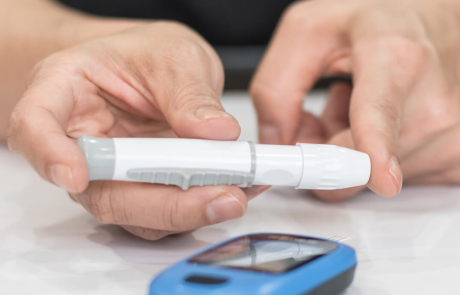
Teplizumab FAQ: Your Questions Answered About New Therapy to Delay T1D
Scientists at the Benaroya Research Institute (BRI) and TrialNet, a global type 1 diabetes (T1D) research consortium, have spent decades working to answer a bold question: Can we stop T1D before it starts?

June 17, 2022
Honoring Family with an Endowment for T1D Research
When Nina and Georg Pedersen were writing charitable gifts into their will, they had two goals: finding meaningful ways to honor their family and recognizing the expert care they’ve received at Virginia Mason.
March 20, 2022
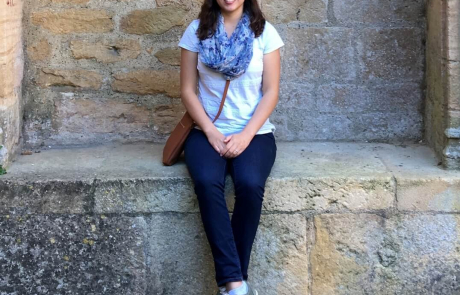
BRI’s Approach Inspires Mara’s Support
At age 14, Mara, who is now in her 30s, was diagnosed with type 1 diabetes. A few years ago, she also learned she had celiac disease and was recently confronted with a rheumatoid arthritis diagnosis.