


Unraveling the Mysteries of Celiac Disease
In the past few years, Elisa Boden, MD, has seen more and more patients with celiac disease. The disease strikes when the immune system mistakes gluten—a mixture of proteins found in wheat and other grains—as an enemy and attacks the small intestine. This can trigger everything from chronic diarrhea to joint pain, and can increase the risk of serious health issues like cancer and weakened bones.
“The good news is, a gluten-free diet can eliminate many symptoms,” Dr. Boden says. “But we don’t know why the immune system malfunctions and we don’t have any other good therapies.”
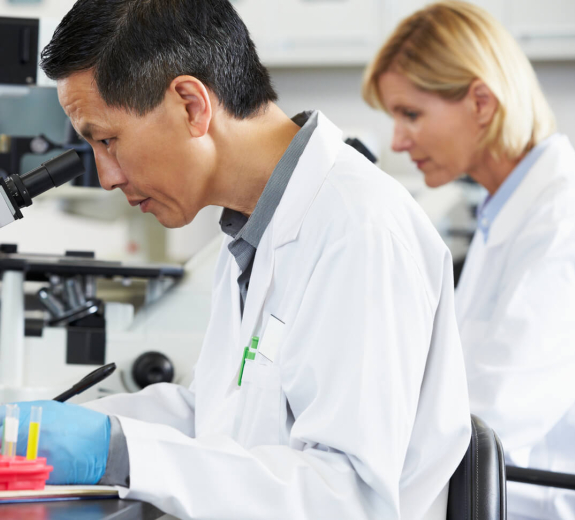
Fortunately, Dr. Boden and BRI’s Bill Kwok, PhD, are leading innovative studies to improve our understanding of celiac disease and open the door to better treatments.
Pinpointing Attacker Cells
In patients with celiac disease, only about three in 100,000 T-cells react to gluten. These particular cells spark immune attacks that lead the disease’s debilitating symptoms. The researchers are using tetramer technology—pioneered by Dr. Kwok—to pinpoint those T-cells in blood samples so they can study them.
“We hope this helps us figure out why these cells attack the body, and leads to therapies that disarm them,” Dr. Boden says.
Goal: Transform Diagnosis
The researchers are also looking for biomarkers that could help Dr. Boden diagnose celiac disease in people on a gluten-free diet.
“I see patients who had celiac-like symptoms and got them under control with the diet, but never had an actual diagnosis,” she says. “And the only way to diagnose them is to have them start eating gluten again, which can be miserable because the symptoms come back.”
A diagnosis is important because if a person has celiac, their doctor needs to be on the lookout for certain cancers and other health issues. Because autoimmune disease runs in families, a diagnosis can also alert family members to watch for celiac disease.
Drs. Boden and Kwok hope to find biomarkers that indicate a person has celiac disease even when the disease isn’t active.
“This could lead to a new diagnostic test, which would be exciting because I hate telling patients they have to start eating gluten again,” Dr. Boden says.
For Dr. Boden, the studies are the latest step in her mission to solve the riddles of autoimmune disease in the digestive system.
“I hate seeing patients in pain,” Dr. Boden says, “and my goal is to keep using research to make progress until, hopefully, we find better therapies or even cures.”
You Might Also Like
Innovation Fund Spotlight: Pioneering a New Generation of Tetramers
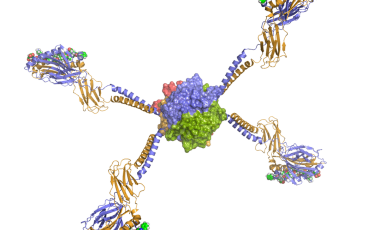
In the late 1990s, Bill Kwok, PhD, pioneered MHC class II tetramers, a game-changing tool in immunology research. Tetramers have fueled countless research breakthroughs because they enable scientists to find extremely rare cells and extract them to study in precise detail.
New Technology Opens the Door to Understanding the Earliest Stages of T1D
Eddie James, PhD, earned a new grant to explore early cell changes that lead to T1D, using a new tool pioneered at BRI.

BRI’s Approach Inspires Mara’s Support
At age 14, Mara, who is now in her 30s, was diagnosed with type 1 diabetes. A few years ago, she also learned she had celiac disease and was recently confronted with a rheumatoid arthritis diagnosis. All three conditions are autoimmune diseases, which happen when immune system cells mistakenly start attacking healthy tissue.
Immuno-what? Hear the latest from BRI
Keep up to date on our latest research, new clinical trials and exciting publications.