



Do I Have Celiac Disease?
Celiac disease is estimated to affect 1 in 100 people in the United States and its incidence appears to be rising. In addition, 2.5 million Americans are undiagnosed and may be at risk for long-term health complications. Celiac disease can develop at any age, affecting both children and adults.
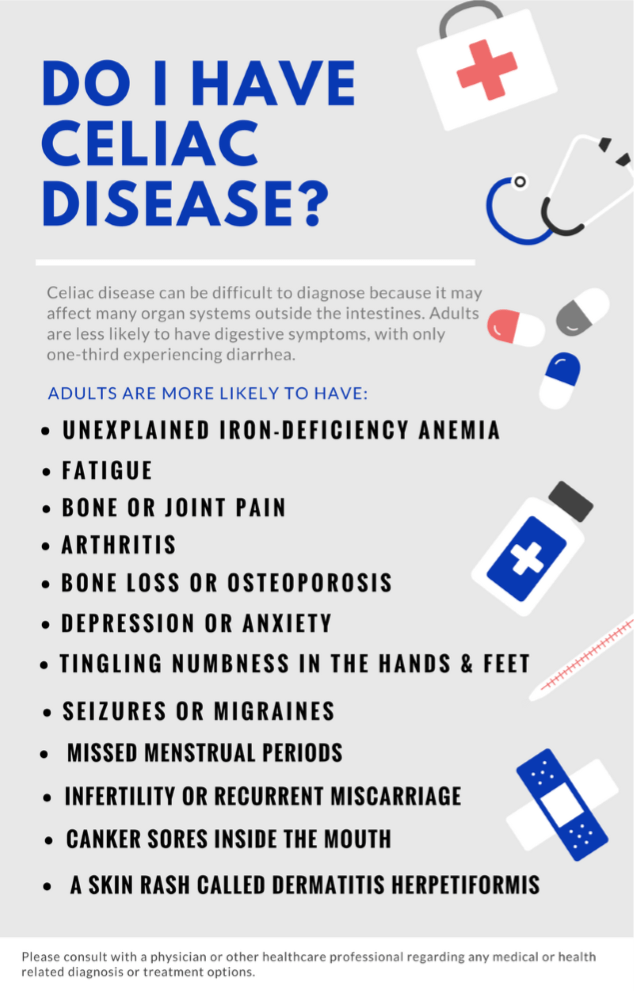
Left untreated, celiac disease can lead to additional serious health problems. These include nutritional deficiencies, anemia, increased risk of infections, osteoporosis, dermatitis herpetiformis (an itchy skin rash), infertility or miscarriage, neurological conditions including seizures and migraines, and intestinal cancers.
Celiac disease can be difficult to diagnose because it may affect many organ systems outside the intestines. Some people with celiac disease have no symptoms. However, all people with celiac disease are at risk for long-term complications, whether or not they display any symptoms.
“Our goal is to find ways to eliminate the devastating symptoms of this disease and stop damage to the small intestine,” explains Elisa Boden, MD, Virginia Mason clinical researcher. “We hope to discover both factors that trigger disease and also those that protect healthy people. We will use this information to develop ways to put the brakes on the immune system to stop it from reacting to gluten.”
BRI scientists and clinical researchers will study the molecular and genetic profiles of people with celiac disease compared to healthy people. They will use BRI's biorepositories to better understand the disease mechanisms at onset and investigate possible environmental factors that could contribute to celiac disease.
You Might Also Like

An Insider's Look Into Clinical Trials at BRI
Before medicines become widely available, they have to be rigorously tested — first in the lab, then in people through clinical trials.

Using Epidemiology to Fight Pancreas Cancer
It only took one statistic to get Meg Mandelson, PhD, interested in studying pancreas cancer. “Five-year survival rates have greatly improved for almost every cancer over the past two decades,” she says. “Pancreas cancer is one of the few that hasn’t.”

BRI’s Approach Inspires Mara’s Support
At age 14, Mara, who is now in her 30s, was diagnosed with type 1 diabetes. A few years ago, she also learned she had celiac disease and was recently confronted with a rheumatoid arthritis diagnosis. All three conditions are autoimmune diseases, which happen when immune system cells mistakenly start attacking healthy tissue.
Immuno-what? Hear the latest from BRI
Keep up to date on our latest research, new clinical trials and exciting publications.