
Blog Posts focused on: Sound Life Project (SLP); Type 1 Diabetes (T1D); Biorepository
September 24, 2024
Working Toward Cures
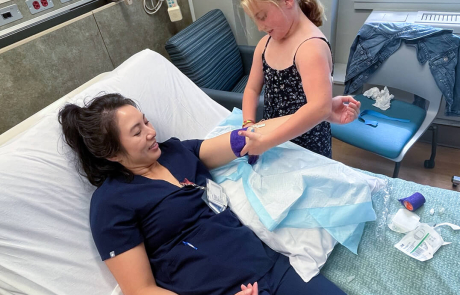
Did you know that if risk screening results show you are in the early stages of T1D, you may be eligible to participate in a type 1 diabetes prevention study?

July 3, 2024
Exploring the Exposome: What Role Does Where You Live and What You’re Exposed to Play in Autoimmunity?
Read about BRI’s effort, led by Cate Speake, PhD, and Jane Buckner, MD, to better understand the role environmental factors play in autoimmune disease.
July 3, 2024
BRI’s Innovation Fund Sparks New Discoveries
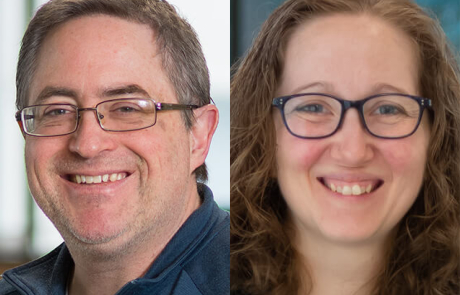
Learn about one of the first projects launched with this funding, where Eddie James, PhD, and Caroline Stephanie, PhD, are exploring a new approach to treat type 1 diabetes.
April 3, 2024
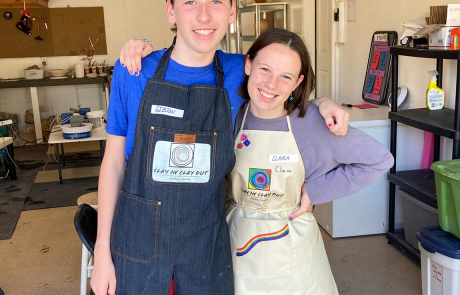
Two Teens, Two Clinical Trials, One Vision: Living Better With T1D
Hear from teenagers Clara and Gibson about their experience participating in research and why it's important to them.
April 1, 2024
New Frontiers in Immunology: Studying Diseases in the Tissues Where They Happen
Learn how Eddie James, PhD, Peter Morawski, PhD, and other BRI scientists are exploring tissue-specific immunology and why this approach is fueling discoveries.
January 12, 2024
New Grant Fuels Research Into Preventing Autoimmunity
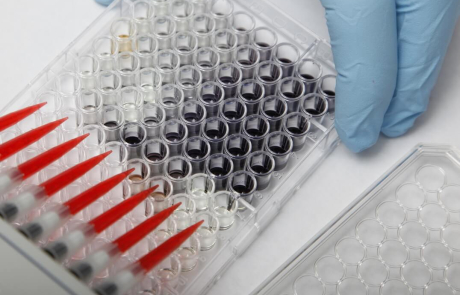
Naive T cells are like the rookies of your immune system. They’re young and inexperienced. They grow up to do different jobs, most of which help protect your body from viruses and bacteria. But a few stray down the wrong path — growing up to become cells that cause autoimmune disease.
January 10, 2024
On the Brink of a Golden Age of Medicine
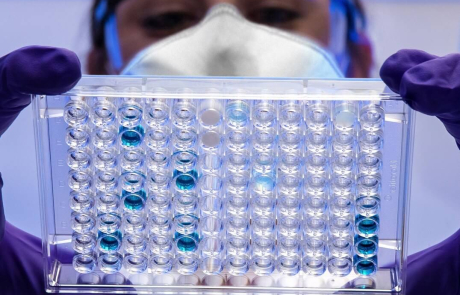
"I know we will reach that golden age, and BRI’s research in human immunology is the vehi¬cle that will take us there. This field has shepherded incredible advances in recent years, including new vaccines, new cancer treatments, and new and better treatment options for autoimmune disease."
September 25, 2023
Participants Like Mikaela Fuel Research Advances
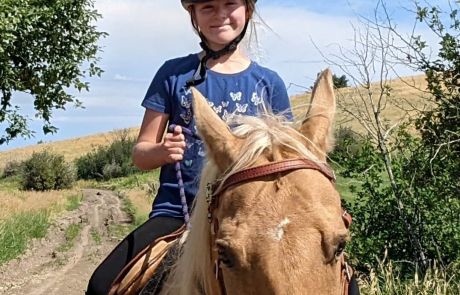
Participating in a clinical trial for type 1 diabetes (T1D) was easy for 9-year-old Mikaela. “Everyone was really nice. I just had to drink a milkshake with some medicine in it and get an IV.
September 19, 2023
An Insider's Look Into Clinical Trials at BRI
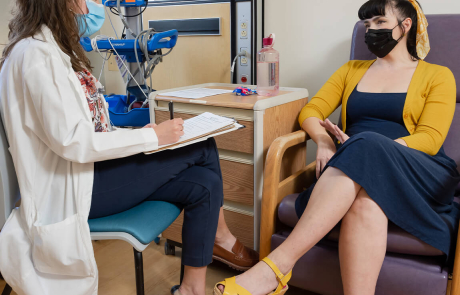
Before medicines become widely available, they have to be rigorously tested — first in the lab, then in people through clinical trials.
June 30, 2023
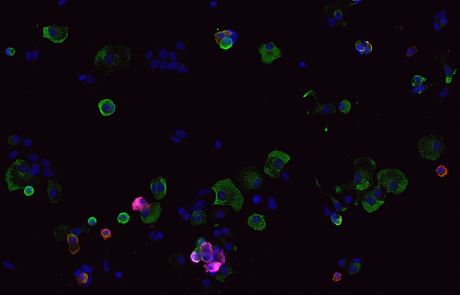
To Belgium and Back Again to Study Beta Cells
BRI researchers are working to develop a groundbreaking new approach to treat type 1 diabetes (T1D). They aim to turn T cells that cause T1D into regulatory T cells (Tregs) that protect you from T1D.