
Blog Posts focused on: Jane H Buckner, MD; Lab Buckner

December 5, 2017
Three Sisters Honor Their Mother
Three sisters, Jeanne, Marilyn and Carol Kleyn, all joined the early research project SERA and the follow-up TIP-RA study. Their mother Peggy Kleyn was diagnosed with RA around 76 years of age.

November 29, 2017
Exciting Breakthroughs in Preventing Rheumatoid Arthritis
What does it mean when scientists say they want to “prevent” a disease?
December 1, 2016
Leading a New Center for Asthma and Allergy Research
The National Institutes of Health recently awarded BRI an $8 million grant to lead the center—a collaboration of researchers from BRI, UW Medicine and Seattle Children’s Research Institute.

November 1, 2016
New Approaches to Eliminating RA
Benaroya Research Institute at Virginia Mason (BRI) is waging a comprehensive fight against rheumatoid arthritis (RA). “During the last 15 years, treatments for RA have improved enormously with new therapies,” says BRI President Jane Buckner, MD, who is leading this work.

September 8, 2016
Murdock Trust Gives 30 Years of Support
"If it wasn’t for the Murdock Trust helping us with essential pieces of equipment and new technology for over 30 years, we wouldn’t have been able to achieve our cutting-edge research advancements,” says BRI President Jane Buckner, MD.
July 8, 2016
Good News for Lungs, Bad News for Allergies and Asthma
One in four people in the United States grapple with allergies, asthma or both. For years, BRI has had its sights set on helping these patients breathe easier. And our efforts just got a huge and welcome boost.

April 8, 2016
Gene Editing Aims to Control T1D
Benaroya Research Institute (BRI) and Seattle Children’s Research Institute (SCRI) are pioneering the use of gene editing techniques in efforts to control type 1 diabetes (T1D).
January 1, 2016
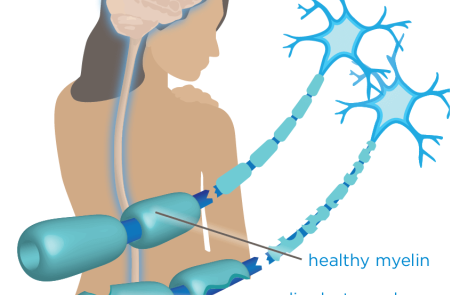
Exciting Advances in Multiple Sclerosis Research
This research update is on a variety of studies that BRI is conducting or collaborating on with other institutions. They are tackling various scientific and immunologic questions that explore innovative ways to fight MS from the lab to clinical studies.
September 8, 2015
Collaboration Accelerates Research
Benaroya Research Institute at Virginia Mason (BRI) is relatively small compared to large research universities, but its impact goes well beyond its size and location, accelerating scientific discovery globally.

June 1, 2015
Thirty Years of Progress
In the early 1980s, the leadership team at Virginia Mason made the important decision to establish a biomedical research center focused on immunology. Immunology at that time was an emerging field, anticipating a future era of medical applications.